

Discover the diverse applications of EM® products by Microzone, offering sustainable solutions in agriculture, animal husbandry, and environmental enhancement. Our anaerobically-fermented EM® blends, such as EM•1®, act as catalysts for soil health, improve fertilization efficacy, control odors in waste management, and contribute to organic composting. Certified for organic input, EM® proves versatile, whether applied directly or as a foundational element for developing cost-effective secondary products. Explore the array of ready-to-use solutions at Microzone, harnessing the natural power of EM® for a greener, healthier future.
Please contact Microzone for Application Guidelines or Technical advice on +27 (0) 66 529 0724 or info@microzone.co.za.

Within the realm of agriculture, the quest for sustainable solutions has become increasingly urgent. Environmental degradation, resource depletion, and climate change pose significant challenges to global food security, making innovative approaches more crucial than ever. In response, a range of products and technologies have emerged to revolutionize farming practices and promote environmental stewardship.
Among these innovations, EM® Technology stands out as a pioneering solution in sustainable agriculture. Rooted in the principles of anaerobically fermented, proprietary blends of beneficial microorganisms, EM® Technology offers a multifaceted approach to addressing the complex challenges faced by modern agriculture. From enhancing soil health and nutrient uptake to bolstering crop resilience and mitigating environmental impact, EM® Technology has garnered attention for its potential to transform farming practices worldwide.
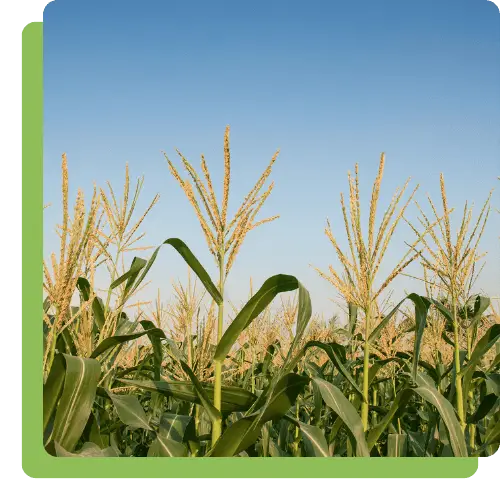
Conventional practices, such as tilling and mono-cropping, lead to reduced diversity and depleted soil organic carbon, initiating a cycle of degradation.
Reduced water infiltration and retention capacity require more water, fertilisers, insecticides, and herbicides, leading to heightened input dependency.
Chemical-driven operations harm beneficial fungi, essential for healthy plants, animals, and humans, contributing to a decline in soil fertility.
Conventional farming often relies heavily on synthetic fertilisers and pesticides, which can be expensive to purchase and apply. This can lead to significant financial burdens for farmers, especially small-scale farmers or those operating on tight budgets.
The use of synthetic fertilisers and pesticides in conventional farming can have adverse effects on the environment, such as soil degradation, water pollution, and harm to non-target organisms like pollinators and beneficial insects.
Pesticides used in conventional farming may pose health risks to farmworkers, nearby communities, and consumers through exposure to residues on food products.
Conventional farming systems often create a dependency on external inputs like fertilisers and pesticides, leading to concerns about sustainability, resilience, and potential impacts on soil health and biodiversity.
The prices of fertilisers and pesticides can be subject to market fluctuations, making it challenging for farmers to predict and manage input costs effectively.
To address these challenges, farmers are increasingly exploring alternatives such as integrated pest management (IPM), organic farming practices, agroecology, and sustainable soil management techniques. These approaches aim to reduce reliance on costly inputs while promoting ecological balance, soil health, and overall farm sustainability.
EM® enhances soil structure by promoting beneficial microorganisms, improving soil structure, preventing issues like compaction, allowing roots to access water and nutrients more efficiently, increasing nutrient availability, and reducing soil-borne diseases. This supports regenerative agriculture principles, including better water retention and increased drought resistance.
EM® promotes regenerative agriculture by enhancing nutrient cycling and biological processes. This reduces the reliance on synthetic fertilisers and pesticides, leading to cost savings, increased crop yields, and higher quality produce. EM® supports organic farming principles and can aid in achieving organic certification by reducing the need for synthetic inputs.
EM®’s beneficial microorganisms compete with and suppress harmful pathogens and pests, contributing to natural pest control and reducing the need for chemical interventions. In animal husbandry, EM® improves digestive health, reduces manure odours, and enhances waste decomposition.
EM®-treated crops and trees demonstrate increased tolerance to environmental stresses such as drought or temperature fluctuations. This helps plants adapt and cope with adverse conditions, contributing to more resilient and productive agriculture.
The use of EM® in cultivation decreases reliance on synthetic fertilisers and pesticides. This shift supports eco-friendly practices and aligns with sustainable agriculture principles, reducing the overall environmental impact.
EM®-treated crops and trees may produce fruits with improved size, color, flavor, and nutritional content. Balanced nutrient uptake facilitated by EM® contributes to optimal fruit development and quality.
EM® accelerates the breakdown of organic matter, crop residues, and leftover plant material, leading to effective waste decomposition. This reduces disease risks and fosters a healthier field environment.
EM® supports the growth of beneficial microbes in the rhizosphere, creating a positive microbial community around crop and tree roots. This community enhances overall plant health and contributes to ecological balance.
Integrating EM® into crop and tree farming practices aligns with sustainable agriculture goals. It enhances soil health, reduces pollution, and supports long-term soil fertility. EM® promotes natural processes, mitigates the effects of climate change, and contributes to overall environmental sustainability.
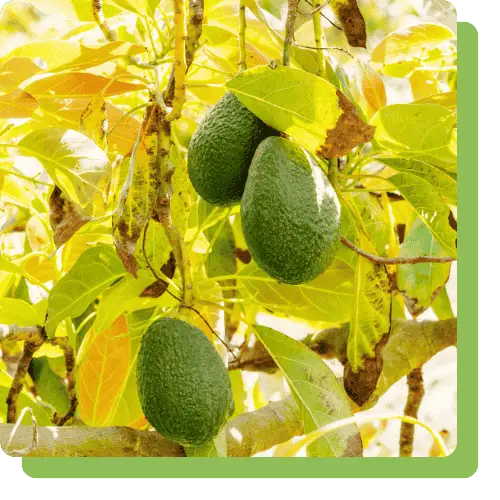

Improves soil naturally by enhancing microbial life, which strengthens soil, increases nutrients, and reduces the need for synthetic fertilizers
Helps plants grow better by improving nutrient use and photosynthesis, leading to higher yields without expensive chemicals
Speeds up composting, reduces odours, and breaks down organic matter faster, making waste management easier and compost better
Supports beneficial microbes that enhance soil fertility and water retention, helping plants handle environmental stresses
Cost-effective and easy to incorporate into current farming practices, offering a budget-friendly alternative to traditional inputs
Versatile and proven effective in various settings, from gardens to large farms - works for soil health, plant growth, and waste management.