


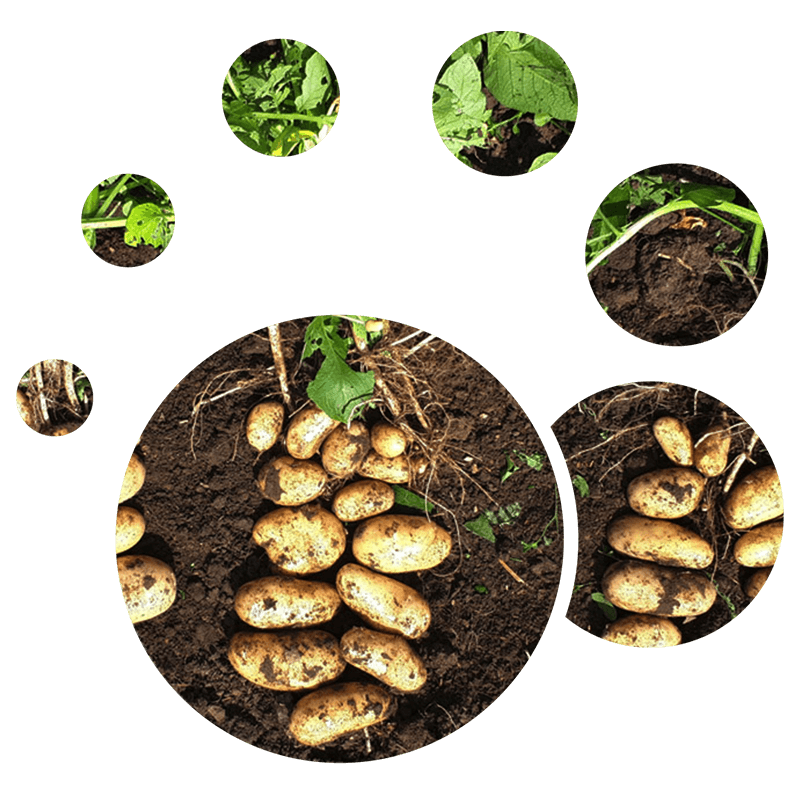

Discover the diverse applications of EM® products by Microzone, offering sustainable solutions in agriculture, animal husbandry, and environmental enhancement. Our anaerobically-fermented EM® blends, such as EM•1®, act as catalysts for soil health, improve fertilization efficacy, control odors in waste management, and contribute to organic composting. Certified for organic input, EM® proves versatile, whether applied directly or as a foundational element for developing cost-effective secondary products. Explore the array of ready-to-use solutions at Microzone, harnessing the natural power of EM® for a greener, healthier future.
Please contact Microzone for Application Guidelines or Technical advice on +27 (0) 66 529 0724 or info@microzone.co.za.
When treated with EM®, organic wastes such as animal waste, domestic waste, compost, and sewage are transformed into recyclable resources through fermentation, rather than putrification. This process minimizes, and often eliminates, unpleasant and hazardous odours. Composting, which involves a complex interaction of organic components (greens and browns), manure or sludge, macro and microorganisms, oxygen, and heat, can significantly benefit from EM®. By accelerating both aerobic and anaerobic composting processes, EM® can reduce the overall composting timeframe by up to 30%. This acceleration enables quicker incorporation of compost into the soil, increases the amount of compost produced over a season, reduces reliance on inorganic chemicals, and helps suppress pests.
One of the key considerations in developing a suitable compost is the Carbon to Nitrogen ratio (C:N). Carbon to Nitrogen ration is the ratio of the mass of carbon to the mass of nitrogen in a substance. The C:N ratio can have a significant effect on crop residue decomposition and hence the composting cycle and should therefore be carefully considered in developing a suitable compost for a specific application. It has been found that the ideal C:N ratio for microorganisms to thrive is 25:1 to 30:1. Adding organic material to the soil with a significantly higher C:N ratio will require the abstraction of nitrogen from the soil to satisfy the microorganisms need to consume the extra carbon with a resulting temporary depletion in the soil. Conversely adding low C:N ratio organic material could cause a nitrogen surplus with resulting nitrogen release presenting as a putrid smell. The type of compost and composting method is however an application and site-specific consideration to be adopted to suit a specific outcome. Using EM® in the composting process increase the microbial activity and will result in faster breakdown, better nutrient retention and less nitrogen release.
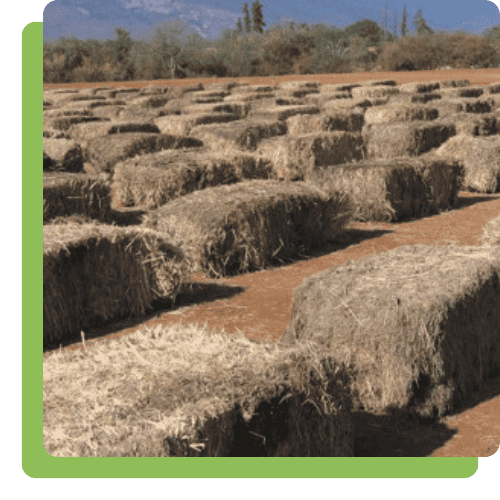
Anaerobic composting refers to the process of fermenting organic material in the absence of oxygen. The process requires the compost to be fermented in airtight containers, packed down in bays, or covered with sheeting. The process requires no turning and generates no heat. The process is similar to producing silage for animals.
Depending on the nature and scale of the composting process and the intended use of the compost produced, a variety of composting techniques and methods can be considering including static composting, mechanically aerated composting, or static pile aeration composting. Various compost types can also be produced including high nutrient compost, low nutrient, or fungal compost. The type of raw material stocks and the type and requirements of crops and soil conditions will determine the most appropriate type of compost required.
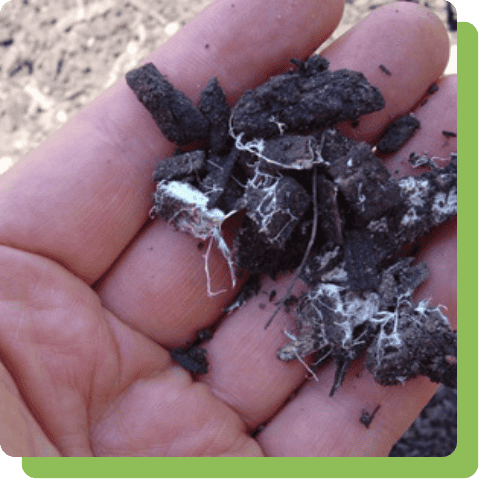
Achieving the optimal Carbon to Nitrogen (C:N) ratio is essential for efficient composting. Balancing this ratio ensures proper decomposition and nutrient retention, while an imbalance can lead to either nitrogen depletion or excessive nitrogen release, impacting the quality of the compost.
Composting is a time-consuming process, often requiring significant time and effort to produce quality compost. Maximizing efficiency in the composting process is crucial to ensure timely availability of compost for soil application and to meet agricultural demands.
Choosing between aerobic and anaerobic composting methods poses a challenge, as each method has its advantages and limitations. Aerobic composting requires oxygen and heat generation, while anaerobic composting can be done in the absence of oxygen but may produce odors and require airtight containment.
Enhances soil structure and fertility
Increases nutrient availability to plants
Improves water retention and drainage
Suppresses pathogens and harmful pests
Reduces the need for synthetic fertilizers and pesticides
Promotes healthy root development and plant growth
Supports beneficial soil microorganism populations
Helps in environmental conservation by recycling organic waste

Incorporating EM® technology into composting processes accelerates decomposition rates by up to 30%, reducing the overall composting timeframe. This efficiency improvement allows for quicker integration of compost into the soil, promoting soil health and productivity.
EM® technology enhances microbial activity during composting, resulting in better nutrient retention and balanced decomposition. This leads to the production of high-quality compost with optimal levels of carbon and nitrogen, essential for plant growth and soil fertility.
By promoting faster breakdown of organic materials and minimizing nitrogen release, EM® technology contributes to a reduction in greenhouse gas emissions and environmental pollution associated with traditional composting methods. This eco-friendly approach aligns with sustainable agricultural practices, ensuring the long-term health of both ecosystems and agricultural systems.

Rich in beneficial microorganisms
Balanced carbon-to-nitrogen ratio
Well-aerated and moist
Minimal odor
Rapid decomposition of organic matter
Dark, crumbly texture
High nutrient content
Supports healthy soil and plant growth


